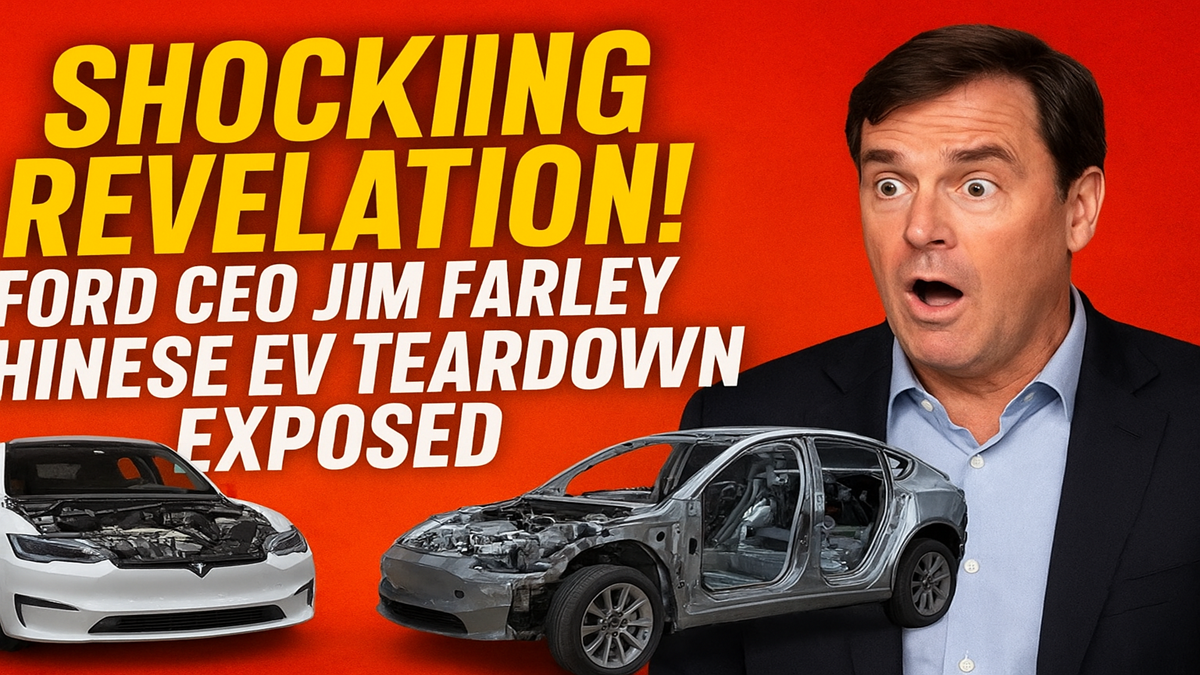
Ford CEO Jim Farley Chinese EV teardown has sent shockwaves across the global automobile industry. After personally disassembling Tesla and Chinese-made electric vehicles, Farley admitted that the findings were “eye-opening.” His revelation exposes just how far China’s EV makers have advanced — both in technology and cost efficiency — forcing Ford to rethink its global strategy for 2025. ⚡
🔍 Key Highlights
- Ford CEO Jim Farley personally examined Tesla and Chinese EVs.
- Discovered superior cost efficiency and advanced battery tech.
- Ford’s Model e division faces “brutal business decisions.”
- India could play a vital role in Ford’s next EV transformation.
⚙️ Ford CEO Jim Farley Chinese EV Teardown: A Shocking Discovery
In a candid statement reported by Business Insider and Fortune, Jim Farley revealed that his hands-on Chinese EV teardown exposed an alarming gap between Ford’s current EV technology and that of China’s leading automakers like BYD and NIO.
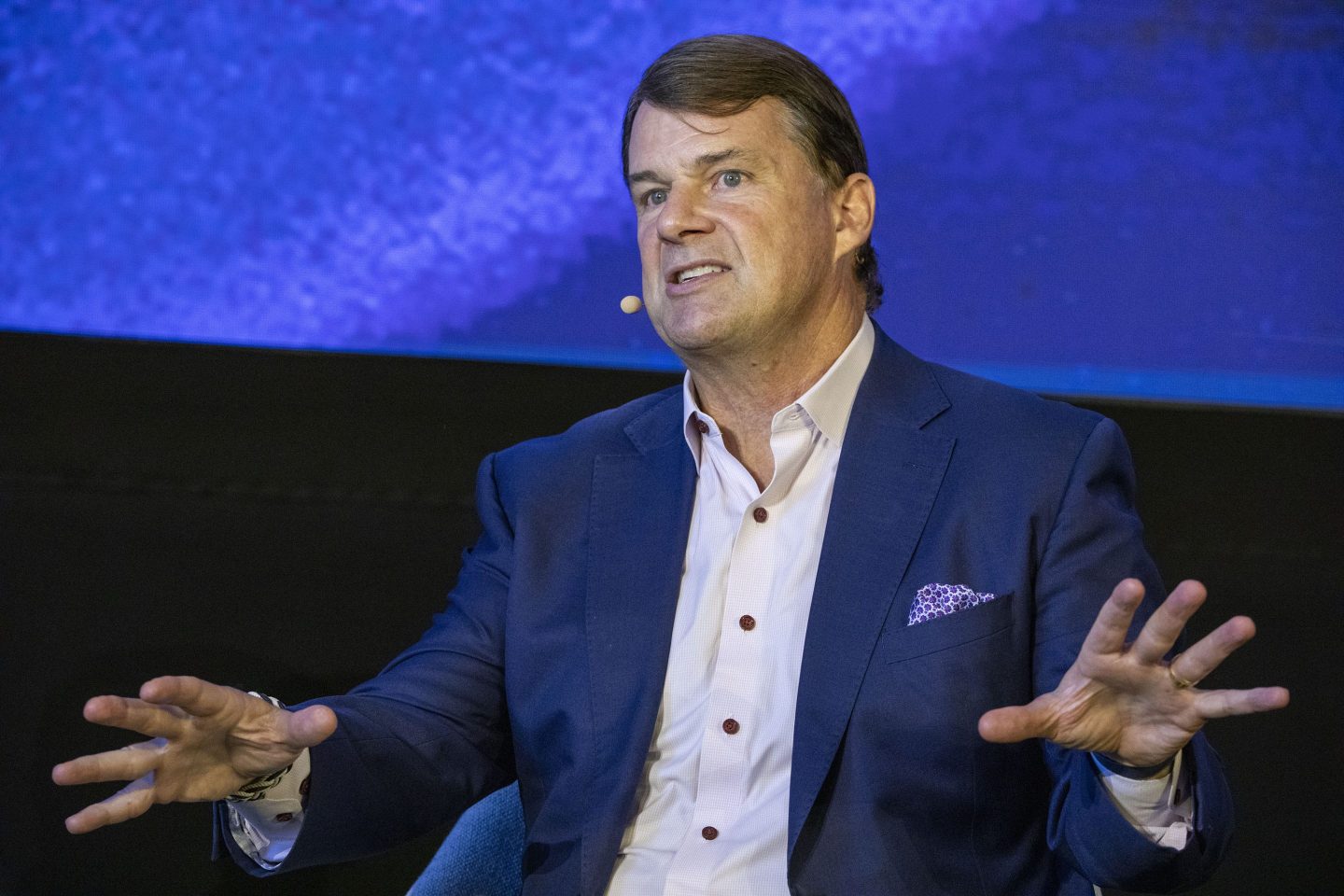
“It was shocking. We took their cars apart and realized we are nowhere close in cost structure or speed,” Farley admitted during a media briefing.
This revelation prompted Ford’s leadership to revisit its Model e division — the company’s dedicated EV unit — and make what Farley called “brutal but necessary business decisions.”
🇨🇳 Chinese EV Revolution: What Ford Discovered
China’s EV makers, including BYD, XPeng, and Li Auto, have changed the global electric car game through innovation and aggressive cost-cutting.
Chinese automakers typically:
✅ Use LFP batteries that are affordable and safe.
✅ Develop in-house software for faster updates.
✅ Maintain vertical supply chains, reducing dependency on imports.
Farley admitted that Ford’s traditional approach makes it harder to match China’s speed and efficiency:
“Their ability to simplify designs and lower costs is something we must learn fast.”
⚡ Ford’s Brutal Model e Decision
Farley said the Model e business must cut costs by at least 25% and focus on compact, mass-market EVs instead of expensive luxury models.
“We can’t survive if Chinese EVs enter our markets at their current price points,” he said.
Ford now plans to redirect R&D toward affordable, small EVs — a segment where India could play a strategic role.
🇮🇳 How Ford’s Discovery Impacts the Indian Market
India is quickly becoming one of the largest EV growth hubs worldwide. With rising EV demand and government incentives, Ford’s teardown learnings could lead to major localization efforts in India.
Possible Indian strategies include:
- Partnering with Indian suppliers for battery and chip components.
- Investing in Chennai and Gujarat plants for local EV assembly.
- Targeting EVs under ₹20 lakh for mass-market adoption.
As Ford restructures its EV plans, India might become the testing ground for its next-generation budget EVs.
💬 Industry Reactions to Ford CEO Jim Farley’s Revelation
Experts across global auto media praised Farley’s honesty.
- Autocar India noted: “This is a rare moment of transparency from a major CEO, signaling Ford’s serious pivot to affordability.”
- CleanTechnica commented: “Farley’s teardown could redefine Ford’s EV strategy for the next decade.”
Meanwhile, Elon Musk weighed in on X (Twitter), saying:
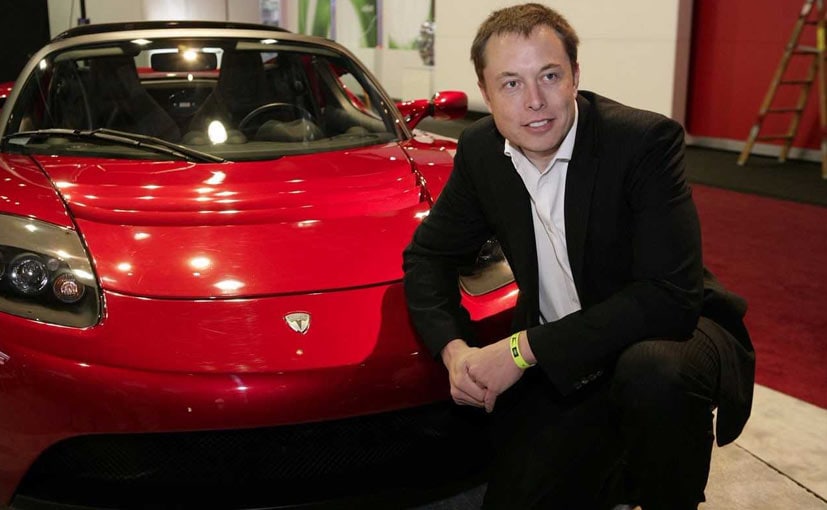
“Competition from China will be most intense. Innovation is survival.”
🔩 What Ford CEO Jim Farley Chinese EV Teardown Revealed About Tesla & China
Ford engineers found major differences in how Tesla and Chinese EVs are built:
- Simplified wiring systems — reducing part complexity by 30%.
- Cheaper yet high-efficiency batteries with smart thermal management.
- Integrated digital dashboards powered by a single central chip.
- Instant OTA updates — no dealership visit required.
These advantages help Chinese EVs achieve cost reductions of up to 35%, allowing them to sell high-tech EVs at much lower prices.
🚗 Tesla vs Chinese EVs: The Global EV Rivalry
While Tesla remains a leader in software and global reach, Chinese manufacturers have beaten it in production efficiency and affordability.

Tesla’s manufacturing is heavily automated but still dependent on costly imported parts, whereas Chinese firms rely on in-house development and scale.
This gives them a strong edge — especially in markets like India, Brazil, and Southeast Asia, where affordability decides sales.
📊 EV Race 2025: Comparing Markets
| Region | EV Market Share (2025 est.) | Avg EV Price | Top Brands |
|---|---|---|---|
| China | 55% | ₹17 lakh | BYD, NIO, XPeng |
| USA | 25% | ₹29 lakh | Tesla, Ford |
| India | 12% | ₹15 lakh | Tata, MG, Mahindra |
China’s cost structure dominance is clear, but India is catching up through government subsidies and local production.
📈 Ford’s Next Steps After the Teardown
Farley confirmed that Ford will:
- Build a new low-cost EV platform aimed at Asian markets.
- Form battery supply partnerships in India and Indonesia.
- Focus on compact SUVs and affordable sedans.
“The next phase of Ford’s EVs will be about affordability, not luxury,” he said.
This pivot could help Ford tap into India’s massive demand for small EVs under ₹20 lakh.
🧠 Expert Insight: Why Chinese EVs Are So Efficient
Industry experts point to three key factors:
- Scale: China produces 60% of global EV batteries.
- Integration: Companies own the full supply chain, from lithium mines to final assembly.
- Speed: Model updates happen every 6–8 months — compared to 18 months in the U.S.
For India, this model could inspire a localized, low-cost EV manufacturing ecosystem.
🧩 Ford CEO Jim Farley’s EV Strategy: Lessons for India
India’s EV industry can learn from Ford’s teardown results:
- Simplify designs and use modular platforms.
- Increase battery cell production domestically.
- Invest in smart software integration for affordable cars.
If India replicates China’s efficiency, it could become a global EV export hub by 2030.
📢 What Do You Think, India?
With Ford gearing up for affordable EVs, Indian car buyers might soon get global-quality EVs at local prices.
👉 Poll: Would you buy a Ford EV under ₹15 lakh offering 400 km range?
Comment your answer below! ⚡
Read More:
❓ Frequently Asked Questions
What did Ford CEO Jim Farley discover in his Chinese EV teardown?
He found that Chinese EVs are cheaper, simpler, and faster to build than Ford’s.
Why did the Ford CEO call it shocking?
Because China’s EV makers are 25–30% more cost-efficient than Ford.
What is Ford doing after the teardown?
Developing a low-cost EV platform for India and Asia.
How do Chinese EVs differ from Tesla?
They focus on affordability, faster production, and simpler electronics.
Will Ford launch EVs in India?
BYD, NIO, XPeng, and Li Auto.
How will this affect Indian automakers?
It will increase competition, pushing Indian brands to innovate faster.
When can we expect Ford’s affordable EVs in India?
Likely between 2025 and 2026, under ₹15–20 lakh.
Does this mean China is now the benchmark for EVs globally?
Many analysts, and Farley himself, say yes — Chinese firms have set industry benchmarks in cost, tech, and scale, which Western automakers like Ford now must match.
🗳️ Reader Poll
Which matters most when buying an EV in India?
- 🔋 Range
- 💰 Price
- ⚙️ Tech Features
- 🌏 Brand Reputation
Let us know in the comments below!

Bablu Ayodhi is an experienced automobile writer and the founder of GadiJankari.com. He shares clear and trustworthy news about cars, bikes, and new auto technologies. All his articles follow strict editorial and fact-checking standards to give readers reliable information.
Expertise: Car & bike reviews and launches, mileage and comparisons, EVs and auto technology updates.